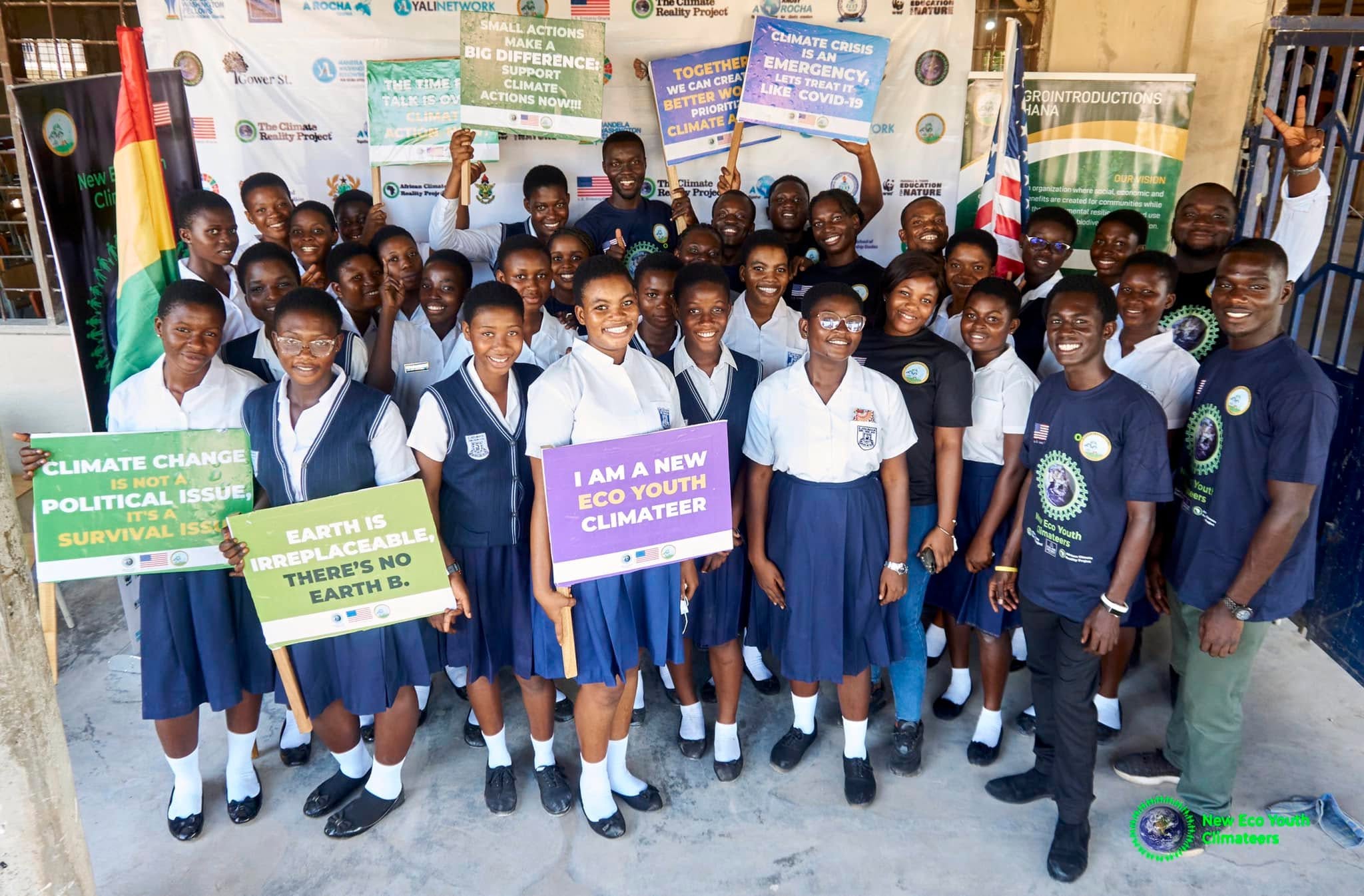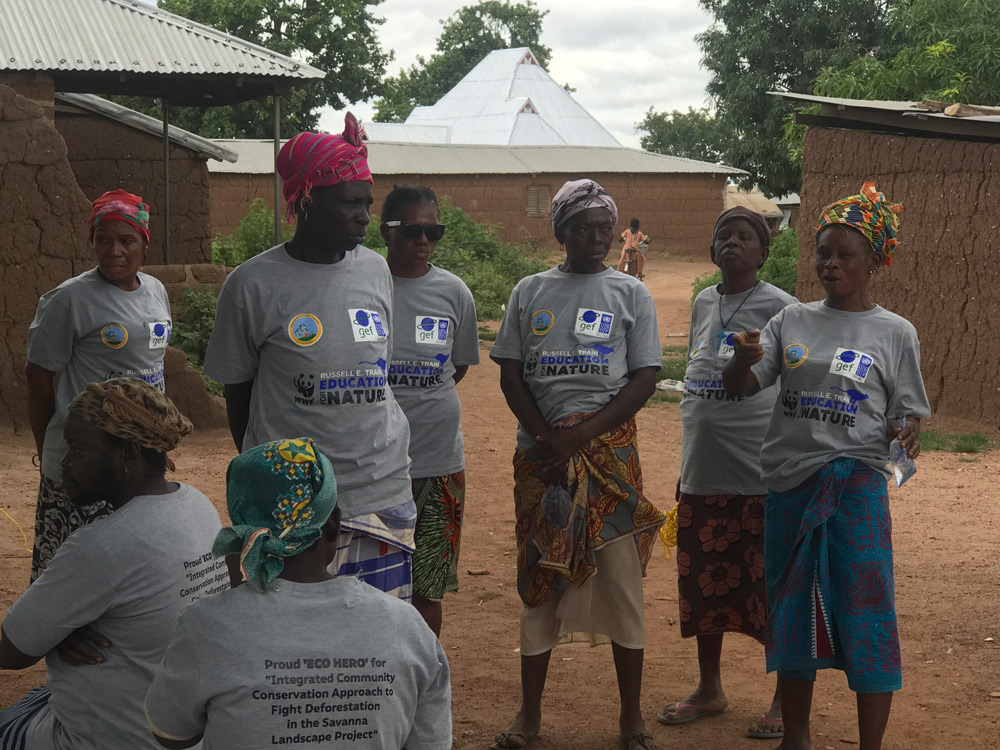
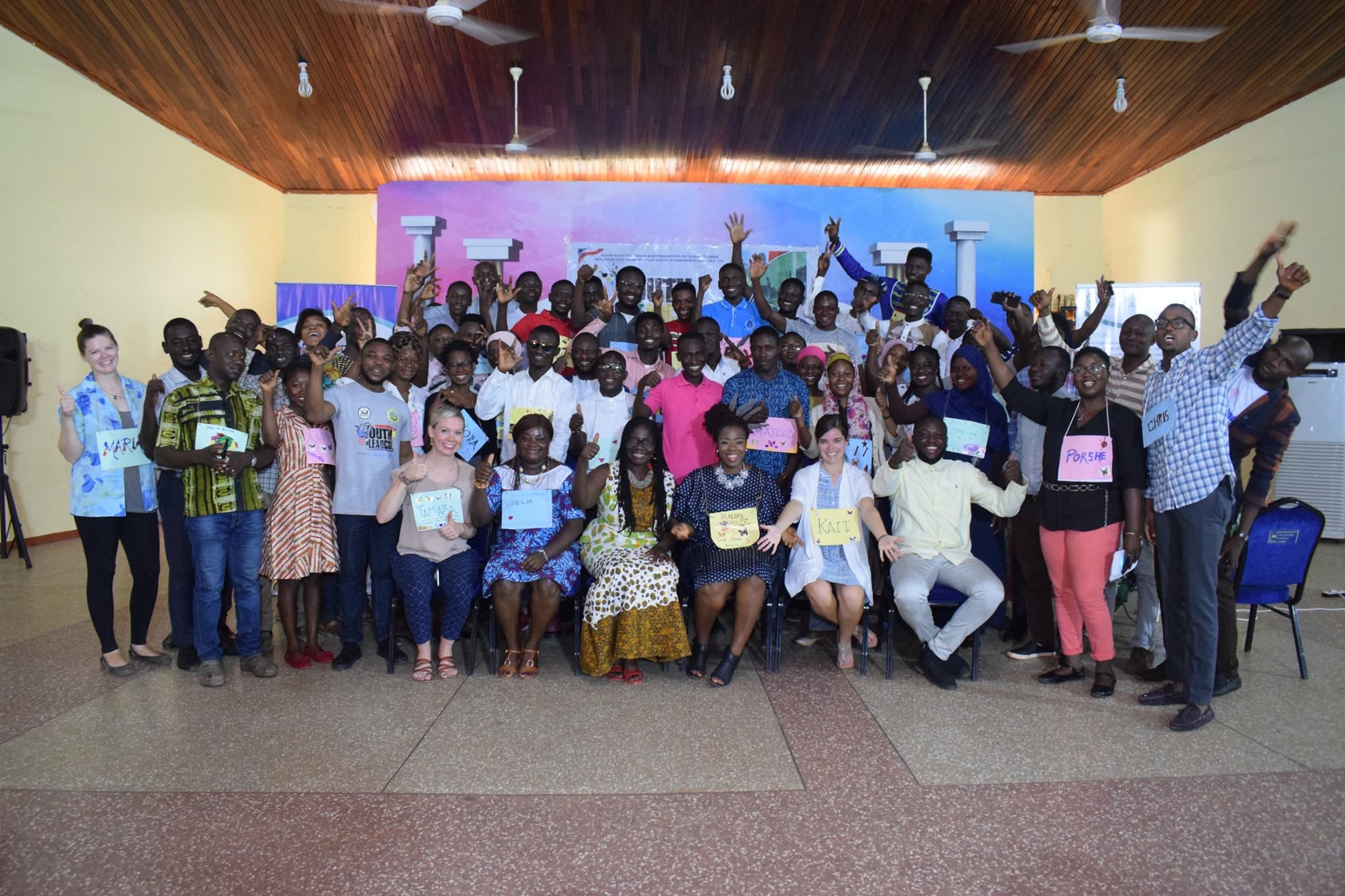
The Youth Leadership Empowerment and Advocacy for Developing Climate Smart Leaders in Ghana (Youth-LEADCSL) program is a holistic and innovative project, designed with the goal of expanding the leadership capabilities and opportunities for young leaders passionate about climate change to take actions to combat climate change as active citizens towards a more inclusive Ghanaian society.
The program is organized by Agrointroductions Ghana in partnership with the U.S. Embassy Ghana and Kansas State University Staley School of Leadership Studies (SSLS) – USA and other partners including Mandela Foundation for West Africa, Creative Action Institute, and Mandela Washington Fellows of Ghana.
The scope of the program is to organize a tailored leadership training and capacity building for young leaders passionate about climate change leadership and career development, which was organized from the 8th to the 15th of November 2019. After the training is a Pass-it-On exercise where young leaders who participated are encouraged to share and transfer the knowledge and skills acquired to their peers. Leadership mentorship is also provided to participants by facilitators and previous training beneficiaries.
The training was categorized into three different sessions with different target groups, held at two locations: Kumasi, the Ashanti regional capital, and Tamale, the Northern/Savannah regional capital.
The first session was targeted at media personnel, women leaders and entrepreneurs, NGOs, and young environmentalists. The second session targeted students, entrepreneurs, and young environment professionals passionate about climate change and leadership. Both sessions were for individuals in the southern part of Ghana. The third session was an all-inclusive session targeted at individuals from both categories living in the northern part of Ghana, and some selected individuals with special needs from the Ghana National Association of the Deaf (GNAD), Northern regional branch.
Individuals who were accepted to partake in the program had to apply online, and a review team selected the right candidates who met the specifications. Over 600 applications were received across the country, but only 180 individuals (60 for each session) were given the opportunity.