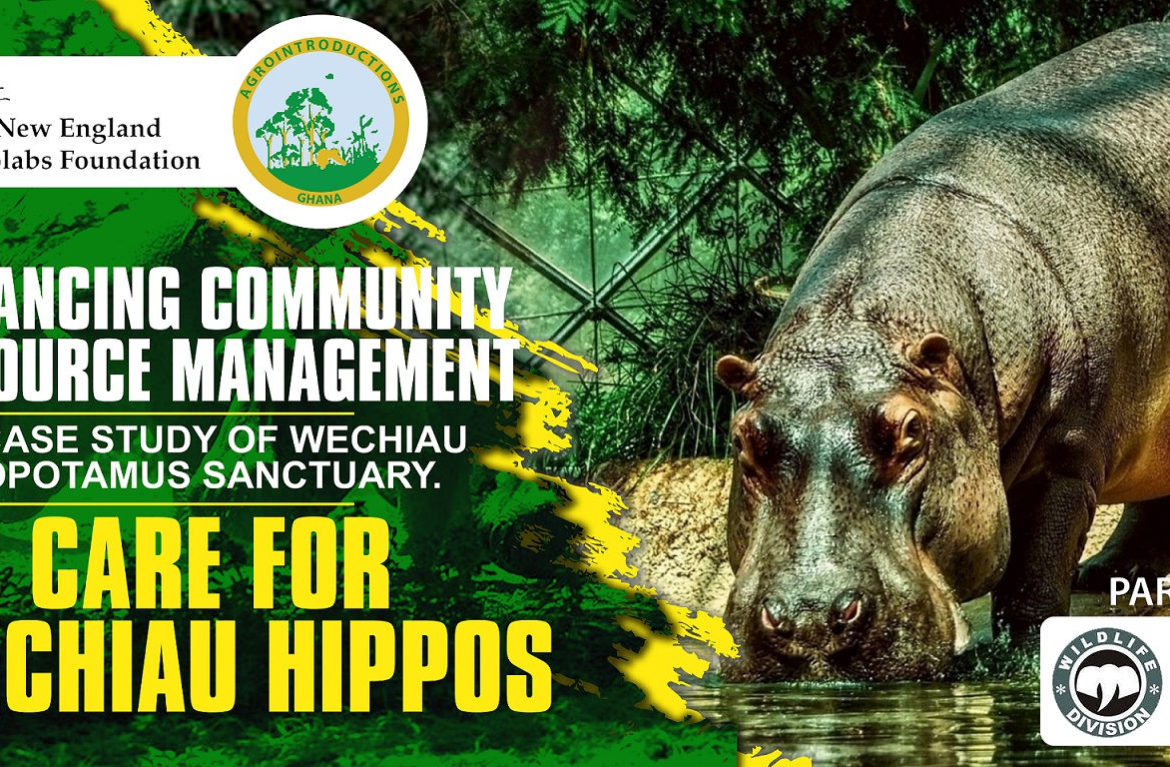
In the past 50 years, humans have changed ecosystems more rapidly to meet growing demands for food, fresh water, timber, fibre and fuel. This has resulted in a substantial decrease in biodiversity, including the hippopotamus (hippo) population. There are currently about 150,000 hippos left in the world. Their status will change from vulnerable to endangered if threats are not controlled, including hunting for ivory and meat, habitat loss due to flooding, and destruction of hippo lawns along riverbanks.
Ghana has two hippo populations: one at Bui National Park and the other at the Wechiau Community Hippo Sanctuary (WCHS), established in 1998. The WCHS is home to more than 150 bird species and countless animals ranging from baboons and hedgehogs to chameleons and pythons. It is also home to the local Wala and Lobi people, whose traditional beliefs and customs have long protected the hippos from poaching and hunting.
The chiefs and people employ local regulations, customs, folklore and traditional bye-laws (taboos) to protect the hippos, which have become part of their identity and cultural heritage. It is a strong taboo for any person to hunt or kill a hippopotamus, and libations and traditional ceremonies are held annually for the protection and proliferation of the species.
Agrointroductions Ghana, with funding support of the New England Biolabs Foundation (NEBF), conservation partners and local authorities of the Wechiau community area, launched a project titled “Enhancing Community Resource Management: The case of Wechiau Hippo Sanctuary.” This project aims at enforcing and strengthening community-based management and conservation of the sanctuary through local capacity development, bio-monitoring research, grassroots conservation education and participatory resource management.
So far, this timely intervention has contributed to raising the knowledge and technical capacity of site managers, local leaders and volunteers. Through the support of the Ghana Wildlife Division, we trained a total of ten local sanctuary managers and youth volunteers in simple bio-monitoring survey protocols.
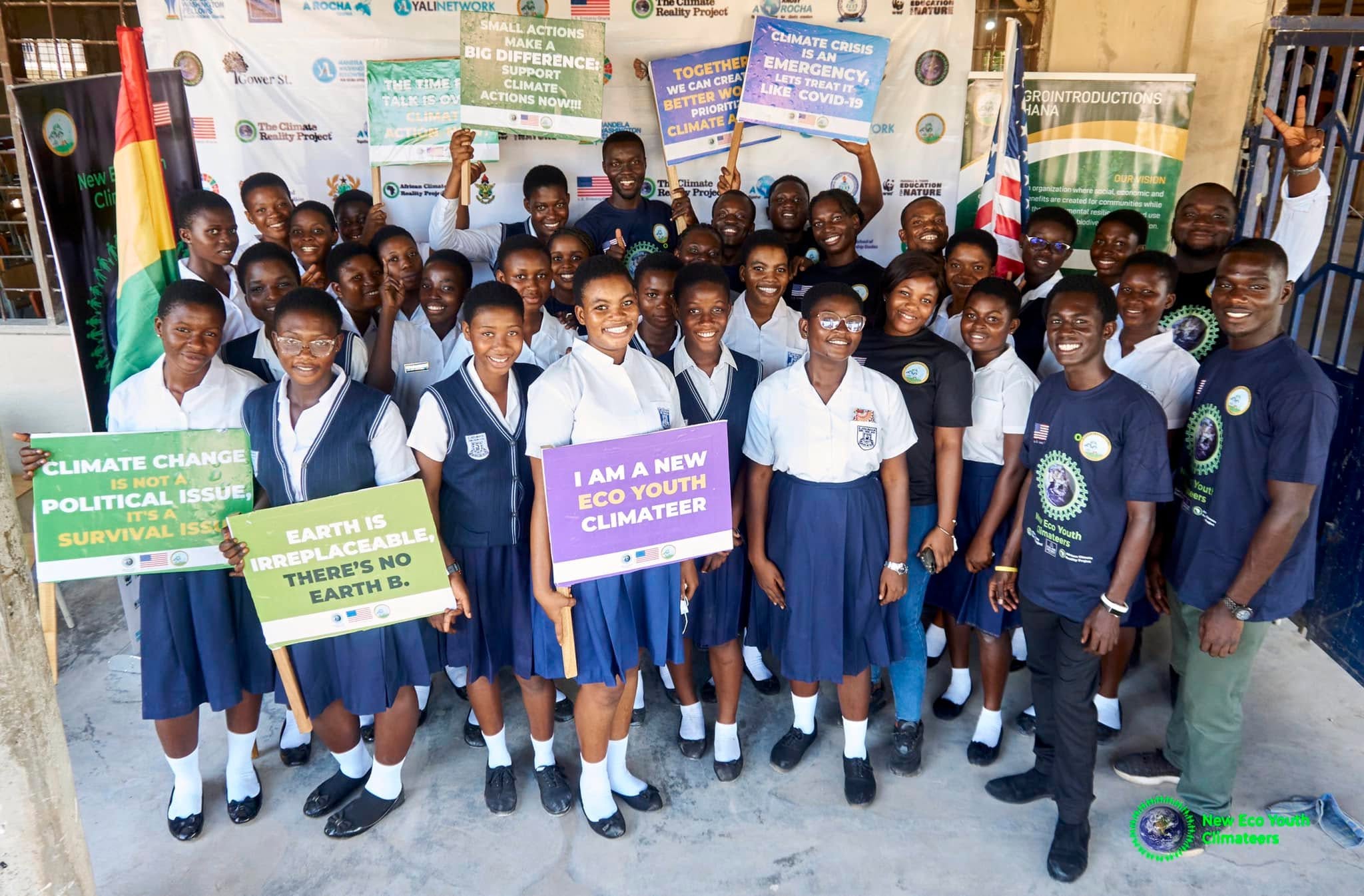
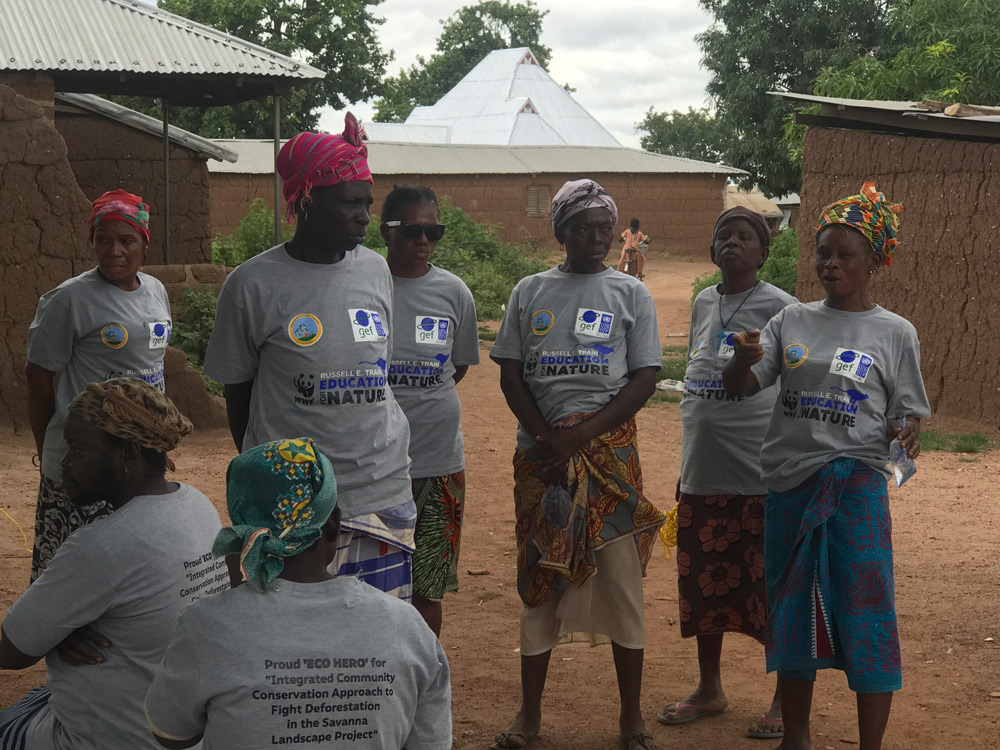
School behavior change education programs included community resources and hippo conservation videos, quizzes, local conservation drama, poetry recital, a school environmental club, and sightseeing trips to the sanctuary. Communities have also been engaged and educated on sustainable sanctuary uses, climate-smart agriculture and agroforestry practices, while fuel-wood harvesters and charcoal burners have been trained on alternative livelihoods.
Much effort has gone into promoting economically viable activities such as ecotourism, marketing of local culture, and craft works, evident in the increase in revenue accrued to the WCHS along with improved peaceful cohesion and development of property rights.
Our project demonstrates that biodiversity management founded on good communal relationships can improve the livelihoods of the rural poor while increasing resilience to future ecological threats. Going forward, AiG and local stakeholders hope to leverage further funding to upscale and extend the project to other critical conservation and bio-cultural sensitive areas.
Since the project area is climate sensitive with high levels of poverty, we intend to introduce and intensify conservation agriculture for both subsistence and small-scale farming, with technical guidance from the Ministry of Food and Agriculture Organization (MOFA).
Acknowledgement of Partners
We would like to thank all our local and international partners, especially the New England Biolabs Foundation (NEBF), for providing resources and technical support. We are also indebted to the Traditional Authorities, Ghana Wildlife Division, GEF UNDP, and HATOF Foundation for their continuous support, and grateful to all program managers, community members, school management, youth clubs, volunteers and AiG staff involved in this work.