Ongoing · Wildlife Conservation
Scaling Up Pangolin Conservation in Ghana
Empowering communities in the Atewa Forest landscape to lead pangolin monitoring, habitat restoration and protection.
About this project
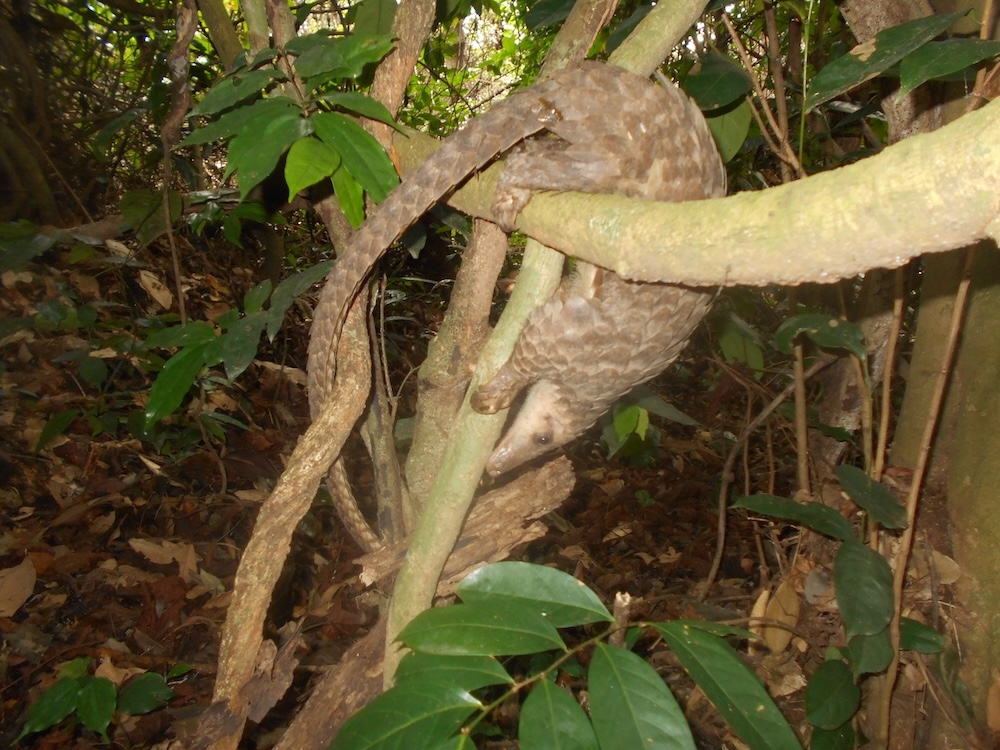
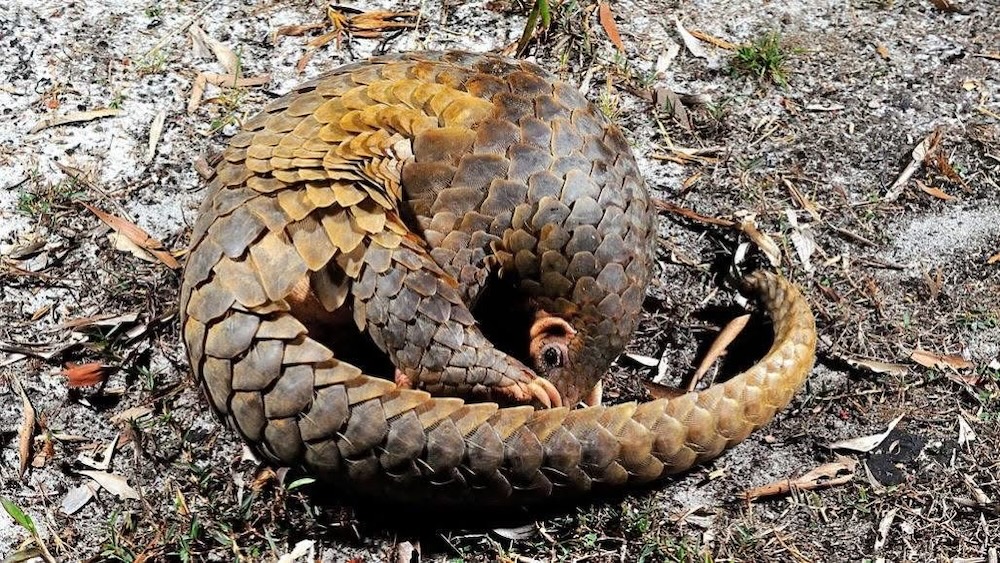
Pangolins, among the world's least studied mammals, face a dire threat from habitat loss and illicit trade, particularly in Africa where they are hunted for bushmeat and traditional medicine (Challender, 2015; Boakye et al., 2015). Our previous Rufford grant highlighted alarming trends in pangolin population decline within Ghana's Atewa forest landscape due to habitat degradation, poaching, and trafficking. This urgency spurred our commitment to launch this crucial conservation initiative.
Our decision is grounded in the urgency highlighted by our prior Rufford grant findings and the alarming rate of pangolin decline. Informed by comprehensive Pangolin Conservation Management Plans developed earlier, we recognized the imperative to address habitat loss, poaching, and trade threatening pangolin populations in Ghana.
Driven by the urgency illuminated in our previous grant, we conducted an extensive review of pangolin conservation initiatives globally, drawing inspiration from the work of organizations like the IUCN SSC Pangolin Specialist Group. Informed by Challender et al.'s (2019) insights into pangolin trade dynamics, our project distinguishes itself by offering tailored, context-specific solutions to the unique challenges faced by Atewa's pangolins.
Our work aligns not only with global pangolin conservation efforts but, more crucially, with the local context of the Atewa forest. By integrating lessons from our previous grant and other regional initiatives into our Local Pangolin Conservation Management Plan, we aim to contribute not just to global knowledge but to become a beacon for targeted conservation in regions facing similar challenges.
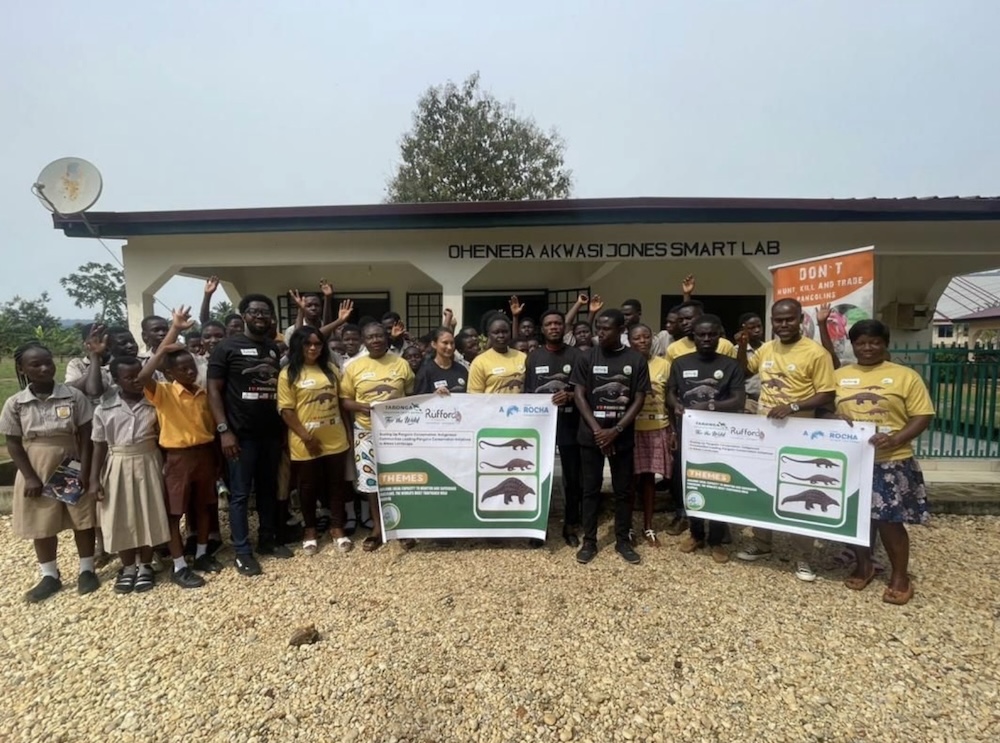
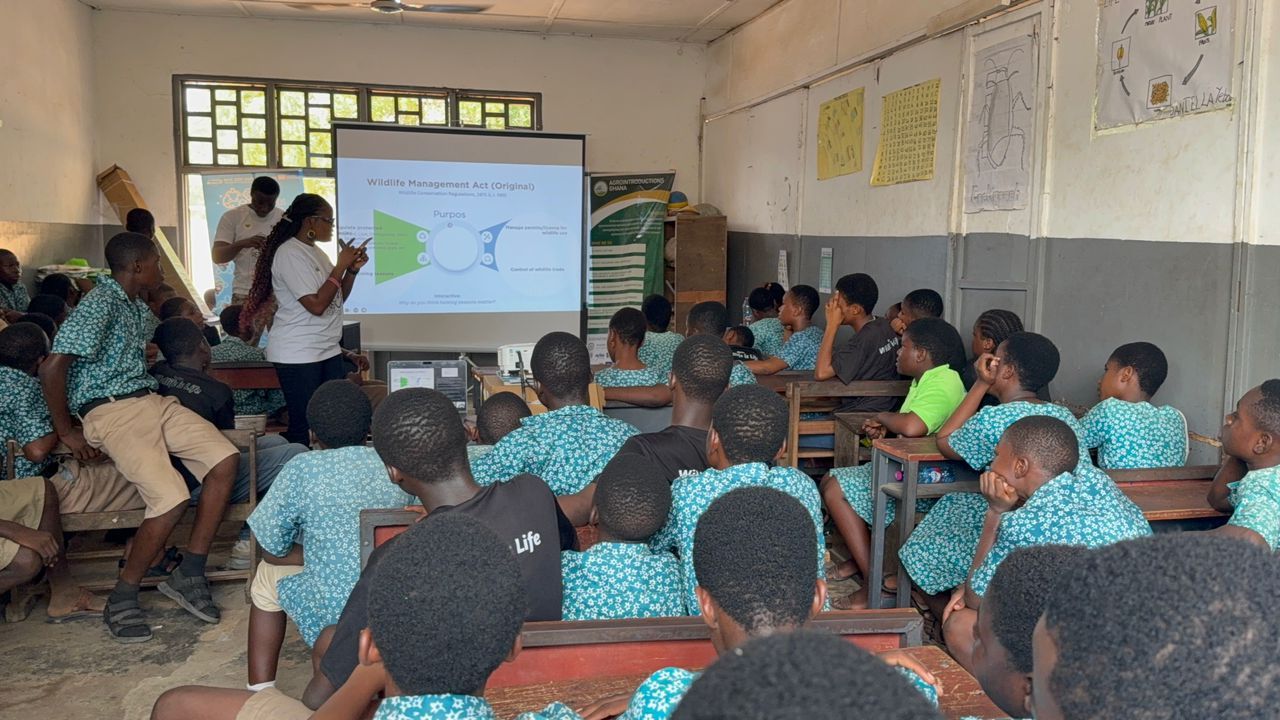
Our project aims to empower local communities in the Atewa Forest Landscape to lead pangolin conservation efforts. Through capacity-building for pangolin monitoring, rescue and translocation, habitat restoration and protection, education and law enforcement, we will foster a sense of ownership and responsibility among indigenous groups. By leveraging traditional knowledge and modern conservation practices, we seek to mitigate threats to pangolins and their habitats. Our approach emphasizes community engagement, ensuring long-term sustainability and biodiversity conservation. Through collaborative efforts, we envision a future where indigenous communities serve as stewards of nature, protecting pangolins and preserving them for generations to come.
Ecological zone
- Upper Guinean Forest
Restoration interventions
- Ecological and socio-economic research
- Species conservation
- Habitat restoration
- Community empowerment in natural resources governance
- Livelihood support
Funders & partners
- Rufford Foundation
- Foundation Ensemble
- KNUST Wildlife Department
- A Rocha
- African Pangolin Working Group
- Kansas State University
Explore more
Our Impacts.
 Completed
Wildlife Conservation · Capacity Building
RED CENTROS Transnational Network of Wildlife Recovery Centers
A completed collaboration supporting wildlife recovery knowledge and community conservation capacity.
Explore Project →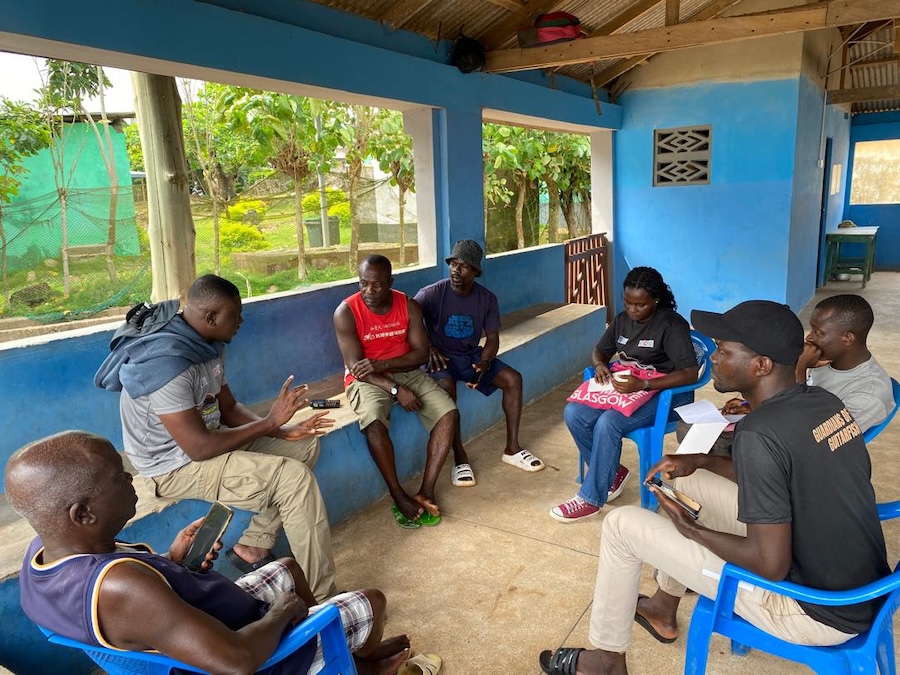 Phase I completed
Wildlife Conservation · Marine Conservation
Marine Guardians of the Blackchin Guitarfish in Ghana’s Coastal Waters
Community-led research and youth-led education to protect the Critically Endangered Blackchin Guitarfish along Ghana’s western coast.
Explore Project → Ongoing
Restoration · Capacity Building
Reforest Plus Project
A community-led restoration programme pairing native trees with green jobs, climate-smart nursery production and local stewardship.
Explore Project →