Phase I completed · Wildlife Conservation · Marine Conservation
Marine Guardians of the Blackchin Guitarfish in Ghana’s Coastal Waters
Community-led research and youth-led education to protect the Critically Endangered Blackchin Guitarfish along Ghana’s western coast.
About this project
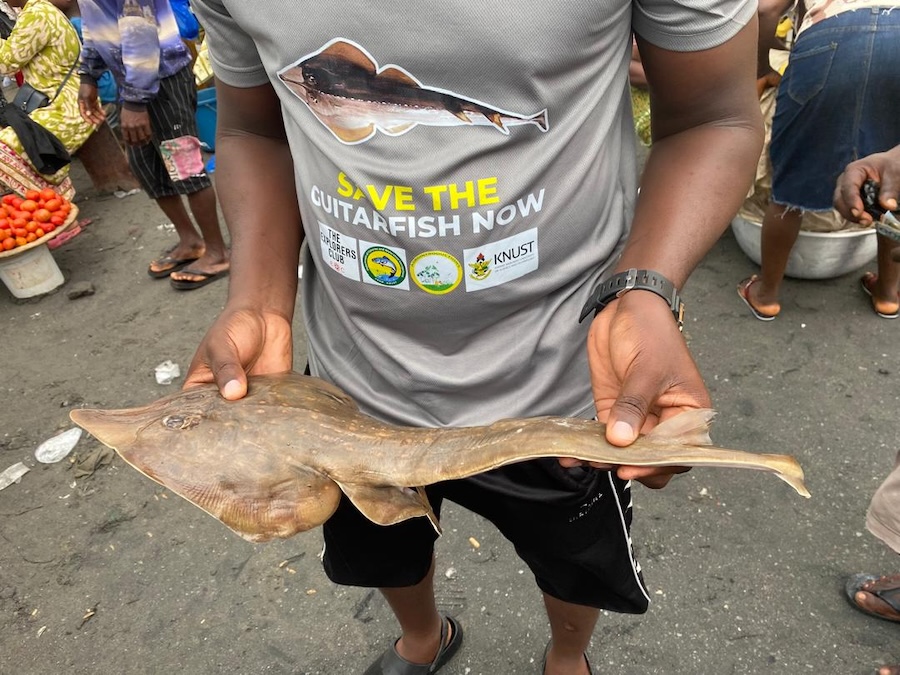
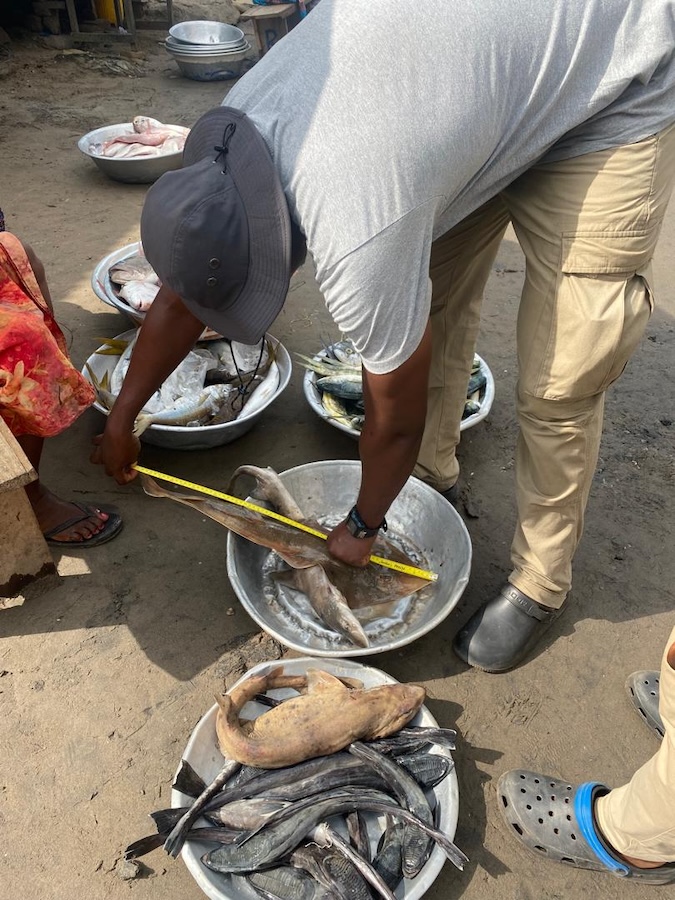
The Guardians of the Blackchin Guitarfish project was implemented to address the rapid decline of the Blackchin Guitarfish (Glaucostegus cemiculus), a species listed as Critically Endangered on the IUCN Red List. Implemented along Ghana’s Western Coastal Landscape, specifically within the artisanal fishing communities of Axim, Shama, and Dixcove, the project responded to urgent gaps in ecological knowledge, conservation awareness, and community capacity for protecting this highly threatened elasmobranch species.
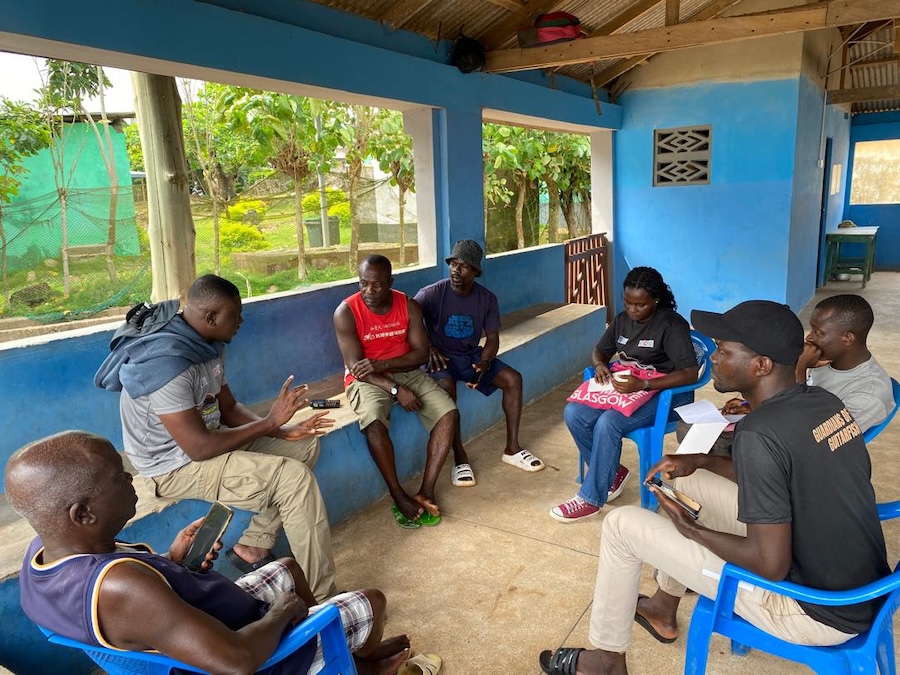
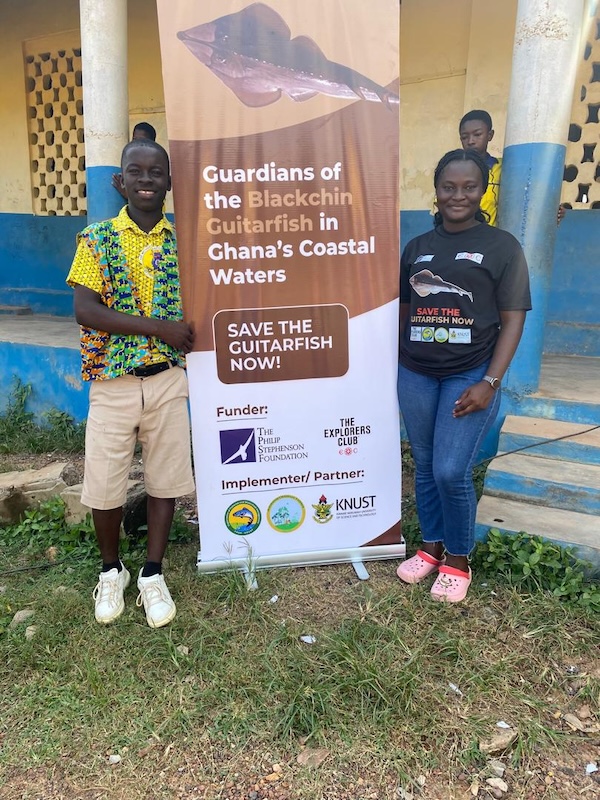
Funded by The Stephenson Explorers Advancement Program of The Explorers Club, Phase I adopted a community-centered and science-informed approach integrating ecological monitoring, socio-economic research, youth leadership, and conservation education. Over an eight-month period, the project team worked closely with artisanal fishers, traditional authorities, schools, and coastal youth to document species status while strengthening local stewardship.
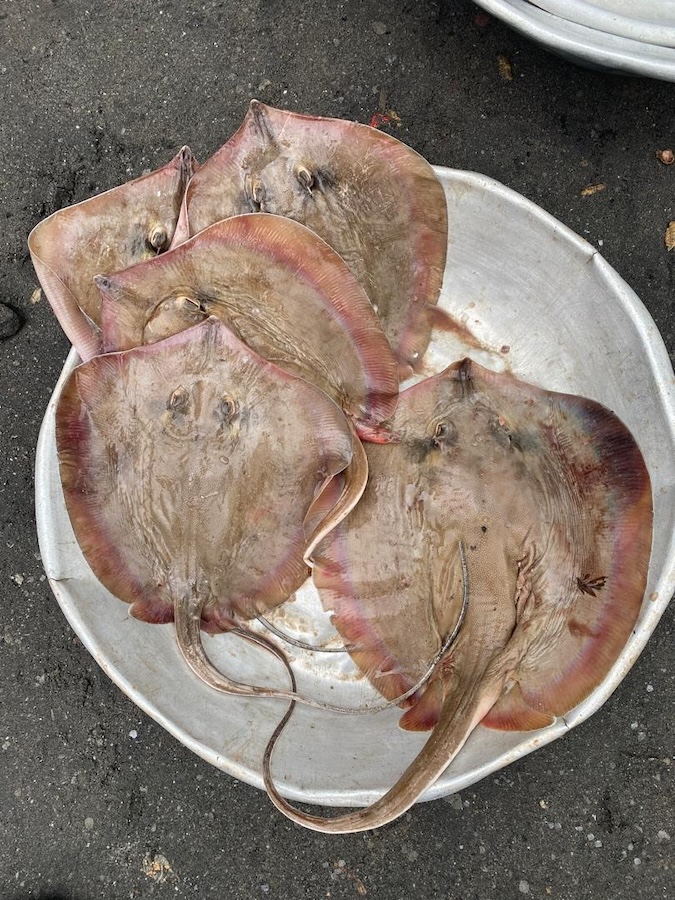
Ecological monitoring was conducted across seven artisanal landing sites over 62 monitoring days, totaling approximately 360 observation hours. Results confirmed that the Blackchin Guitarfish has become extremely rare within the project area. Only ten individuals were recorded, most occurring as incidental bycatch in gillnets targeting demersal species. These findings were corroborated by local ecological knowledge, with over 92 percent of fishers reporting the species was common 10–20 years ago but is now rarely encountered.
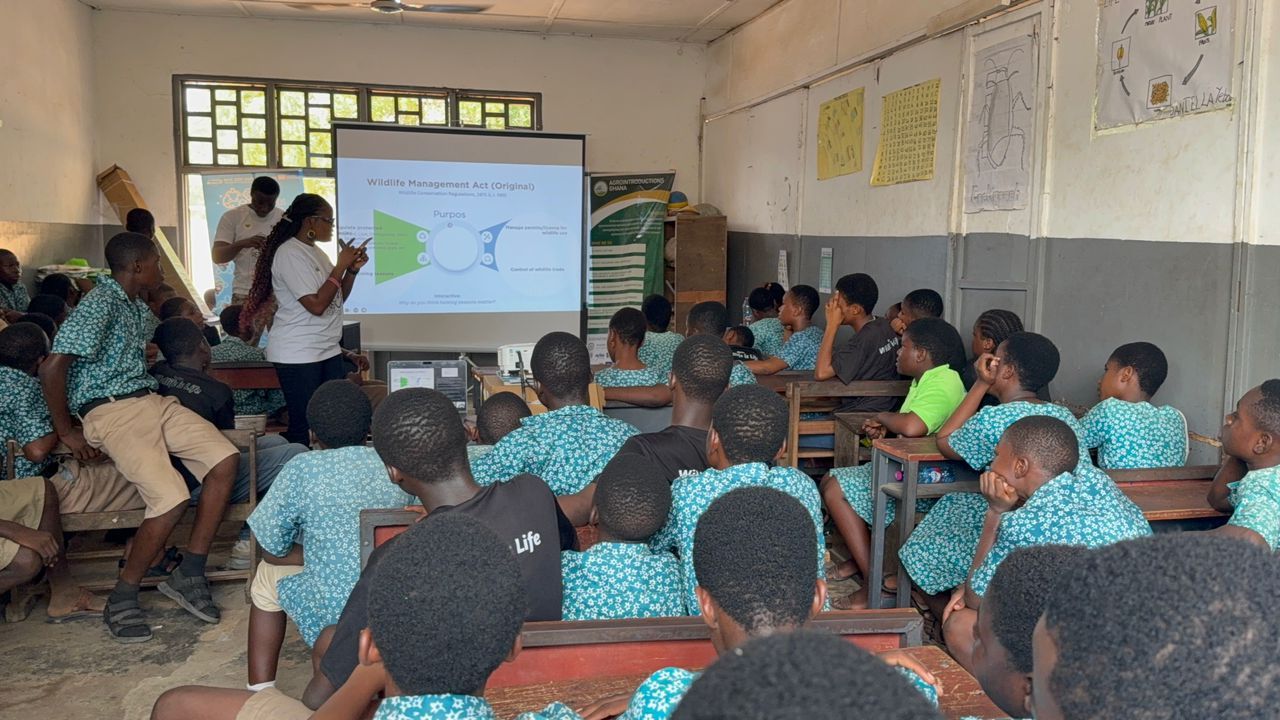
Socio-economic assessments revealed that guitarfish capture is driven primarily by bycatch dynamics, livelihood dependence, and the absence of species-specific regulations rather than targeted fishing. Fisher awareness of the species’ conservation status increased from 22 percent prior to engagement to 78 percent following outreach, demonstrating the effectiveness of culturally appropriate education.
A key achievement was the establishment of a Youth Guardians network, through which 45 coastal youth were trained in species identification, basic monitoring, conservation ethics, and outreach. These youth emerged as trusted conservation ambassadors, supporting reporting of incidental captures and leading education activities at schools and landing sites.
Overall, Phase I established a scientific and social foundation for conservation of the Blackchin Guitarfish in Ghana. The project demonstrated that community-driven monitoring and youth-led education can generate credible data and shift perceptions in data-poor fisheries. Findings highlight the urgent need for Phase II interventions, including seasonal ecological studies, strengthened youth patrols, expanded education programs, and development of community by-laws and policy engagement mechanisms.
Ecological zone
- Coastal Wetlands
Restoration interventions
- Scientific research
- Conservation initiatives
- Community and schools education programmes
- Policy advocacy
Funders & partners
- The Explorers Club
- Stephenson Explorers Advancement Program
- Fisheries Commission
- Department of Fisheries and Aquaculture
- KNUST
Explore more
Our Impacts.
 Completed
Wildlife Conservation · Capacity Building
RED CENTROS Transnational Network of Wildlife Recovery Centers
A completed collaboration supporting wildlife recovery knowledge and community conservation capacity.
Explore Project →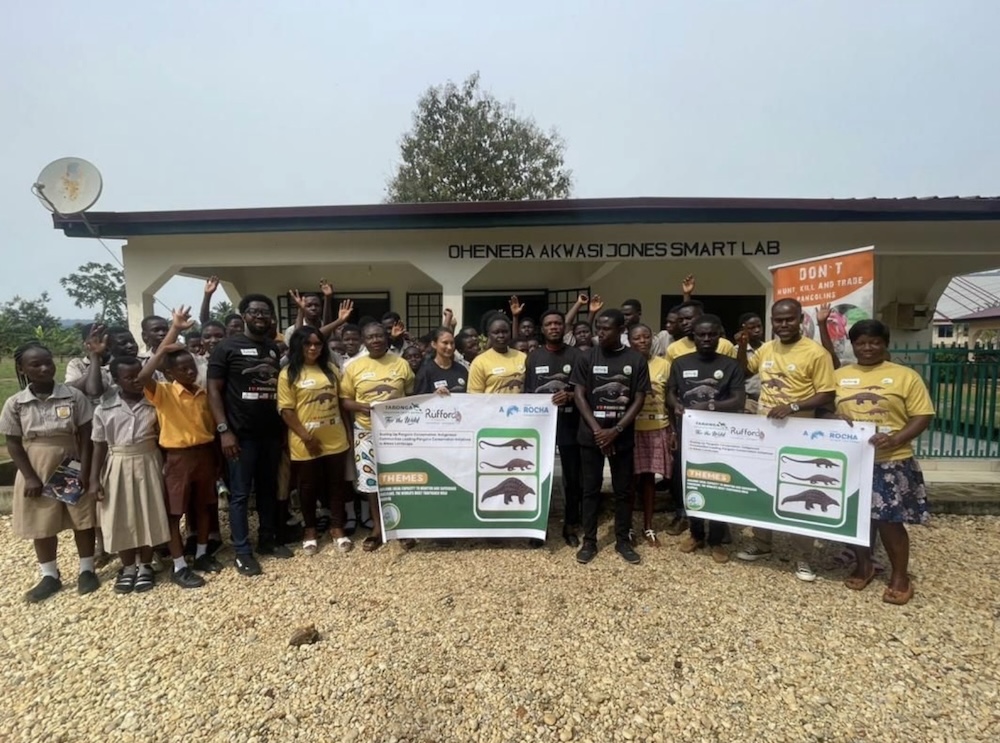 Ongoing
Wildlife Conservation
Scaling Up Pangolin Conservation in Ghana
Empowering communities in the Atewa Forest landscape to lead pangolin monitoring, habitat restoration and protection.
Explore Project → Ongoing
Restoration · Capacity Building
Reforest Plus Project
A community-led restoration programme pairing native trees with green jobs, climate-smart nursery production and local stewardship.
Explore Project →