Completed · Restoration · Conservation · Community Empowerment
Integrated Community Conservation Approach to Fight Deforestation in the Black Volta Basin, Ghana
Restoring savannah landscapes in the Black Volta Basin through native tree planting, community resource management and conservation education.
About this project
In the heart of the Savannah Landscape, where nature's beauty once thrived, Agrointroductions Ghana has been working tirelessly alongside our esteemed partners to restore the delicate balance of ecosystems and communities. With the generous support of our funder, World Wildlife Fund (WWF), and in collaboration with the Traditional Authorities in Garu, we are proud to share the remarkable progress of our restoration project.
Our journey began with a vision to revive the savannah landscape and the vibrant wildlife that once graced these lands. Through meticulous planning and dedicated efforts, we embarked on a journey of reforestation, habitat restoration, promotion livelihoods via community empowerment, effective resource management and conservation education.
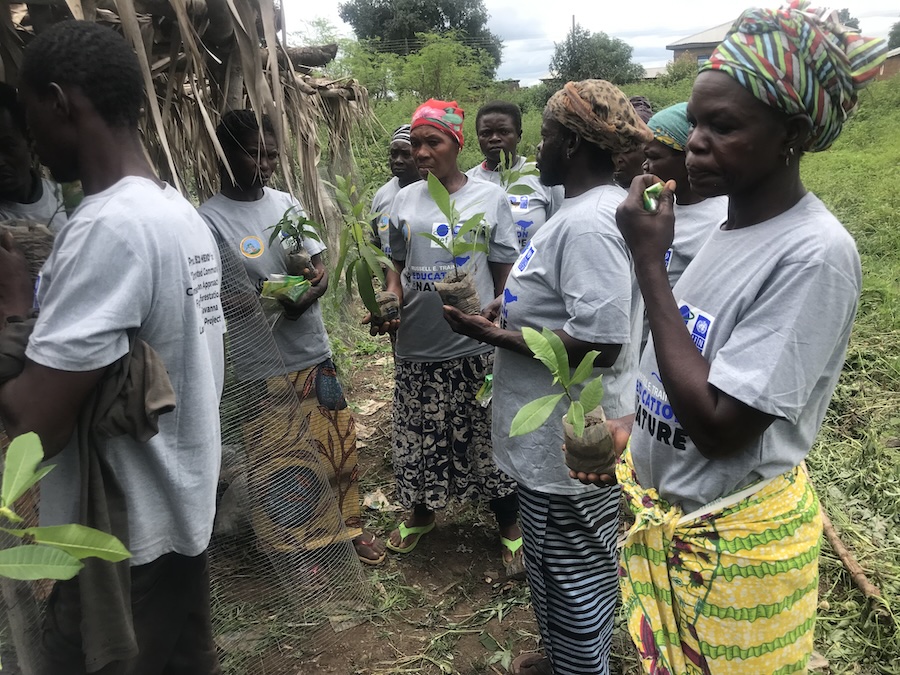
One of the pillars of our project has been native tree planting. With the guidance of local experts and the support of WWF, we have planted over 10000 mixed native trees, including species vital to the region's biodiversity. Each tree represents a step towards regenerating habitats and supporting local flora and fauna.
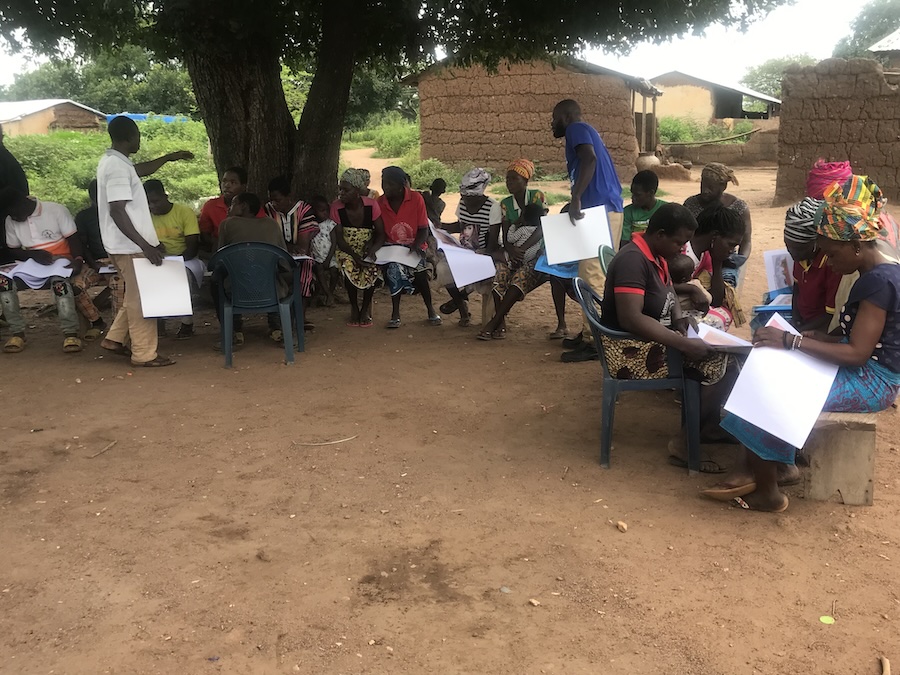
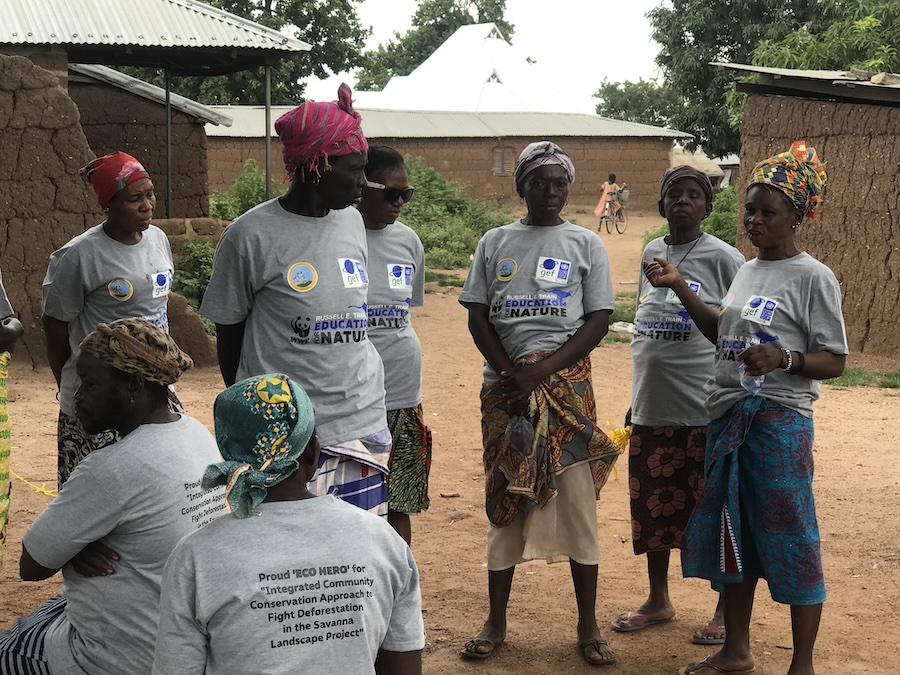
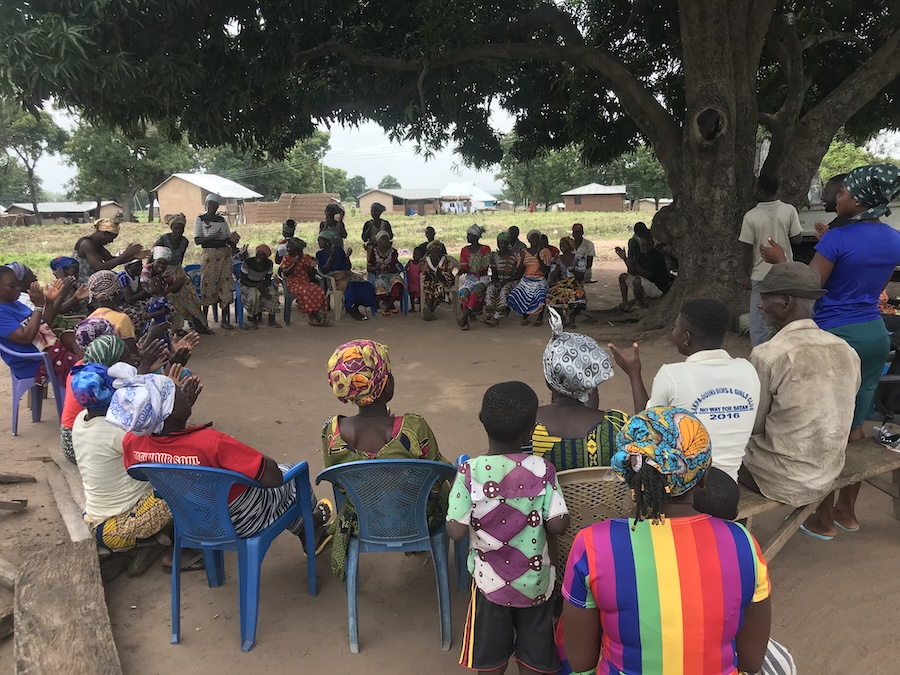
Central to our mission is empowering local communities to become stewards of their environment. Through partnerships with the traditional authorities in Garu, we have fostered a sense of ownership and responsibility for environmental conservation. Our capacity-building workshops have equipped community members with skills in sustainable agriculture, agroforestry, and natural resource management.
As we work towards a greener future, we do not overlook the rich cultural heritage intertwined with these landscapes. Collaborating with local authorities has allowed us to blend traditional wisdom with modern conservation practices. From preserving sacred sites to integrating indigenous knowledge into our restoration strategies, we honour the past while embracing the future.
Our partnership with WWF and local stakeholders extends beyond planting trees; it is about nurturing a sustainable legacy. Together, we have implemented monitoring and evaluation frameworks to track progress, ensuring that our efforts yield long-term benefits for both nature and communities.
Specific Objectives:
1. Establishment of community tree nurseries to facilitate the restoration of degraded lands, employing a range of techniques including afforestation, agroforestry, assisted natural regeneration, and agroecology models.
2. Creation of Community Resource Management Areas (CREMAs) to oversee restoration activities and strengthen community capacities in alternative livelihoods, agroecology, and climate-smart agriculture.
3. Promotion of educational awareness regarding wildlife conservation, deforestation, and climate change through culturally tailored behavior change models.
Ecological zone
- Savannah
Restoration interventions
- Biodiversity conservation
- ARR
- FMNR (Farmer-Managed Natural Regeneration)
- Agroforestry and agroecology
- Community empowerment and livelihood
Funders & partners
- World Wildlife Fund (WWF)
- Forestry Commission
- Community Resource Management Areas (CREMAs)
Explore more
Our Impacts.
 Completed
Conservation · Restoration · Capacity Building
Promoting Innovative Agroecology & Conservation of Carbon Stocks
An agroecology programme connecting food production, healthy soils and carbon conservation.
Explore Project → Ongoing
Restoration · Capacity Building
Reforest Plus Project
A community-led restoration programme pairing native trees with green jobs, climate-smart nursery production and local stewardship.
Explore Project →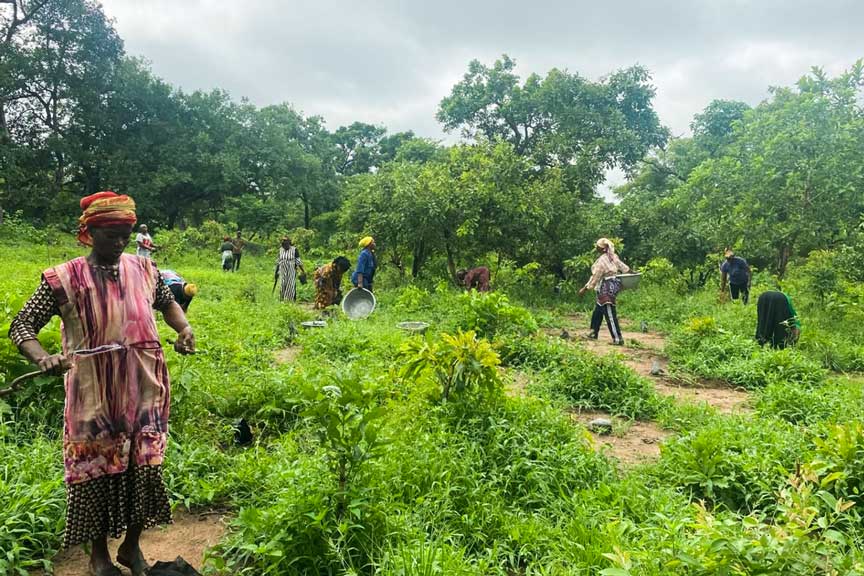 Ongoing
Restoration · Livelihoods · Agroforestry
Ghana Shea Landscape Emission Reductions Project
Protecting shea landscapes while strengthening the livelihoods and leadership of communities who care for them.
Explore Project →